
Embarking on a teaching career in Africa can be a profoundly rewarding experience, offering unique challenges and opportunities. With its diverse cultures, rich histories, and rapidly growing economies, Africa presents a dynamic landscape for educators. Whether you’re looking to make a difference in underserved communities or simply seeking a new adventure, this guide will help you identify the best African countries for teaching jobs and education careers.
Why Teach in Africa?
The demand for quality education in Africa is higher than ever. According to UNESCO, there are over 128 million children out of school across the continent, highlighting the critical need for dedicated educators. By choosing to teach in Africa, you contribute to addressing this gap while gaining invaluable life experiences.
Top African Countries for Teaching Jobs
South Sudan
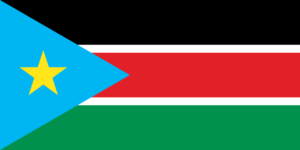
South Sudan, the world’s youngest country, has a significant need for educators. Despite challenges, the government and international organizations are working to improve the education system. Opportunities for teachers are available in both public and private schools, particularly in urban areas like Juba. Salaries vary but can be competitive for the region. For more specific job openings, visit South Sudan Job Search.
Egypt
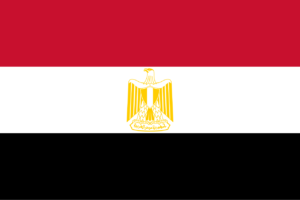
Egypt offers a blend of ancient history and modern development, making it an attractive destination for educators. The country has a robust education sector, with numerous opportunities in both primary and secondary schools. Cairo, Alexandria, and other major cities provide ample job prospects. Salaries are generally higher compared to other African countries, reflecting the cost of living.
Morocco
Morocco is known for its rich cultural heritage and strategic location. The education system is undergoing reforms to improve quality and accessibility. Teachers can find positions in both public and private institutions, especially in cities like Casablanca and Marrakech. The cost of living is relatively low, making it an affordable option for expatriate teachers.
Ghana
Ghana is recognized for its strong educational foundation and commitment to improving access to quality education. Opportunities abound in both urban and rural areas, with many schools in need of qualified teachers. Accra, Kumasi, and other cities offer diverse job options. Salaries are moderate, and the cost of living is reasonable.
Tanzania
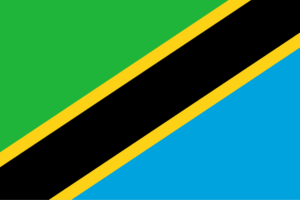
Tanzania, with its stunning natural beauty and vibrant culture, provides a unique setting for educators. The country has made significant strides in expanding its education system, creating numerous job opportunities. Dar es Salaalam, Dodoma, and other urban centers offer positions in various educational institutions. Salaries are generally lower than in some other African countries, but the experience is invaluable.
What to Expect When Teaching in Africa
Challenges
- Resource Constraints: Schools may lack essential resources such as textbooks, technology, and infrastructure.
- Cultural Differences: Adapting to local customs and teaching styles can be challenging.
- Language Barriers: In multilingual environments, effective communication can be difficult.
Opportunities
- Professional Growth: Teaching in Africa can enhance your skills and broaden your perspective.
- Personal Fulfillment: Making a positive impact on students’ lives can be incredibly rewarding.
- Cultural Exchange: Living and working in a different country offers unique cultural experiences.
How to Find Teaching Jobs in Africa
Networking
Building connections within the education community can lead to job opportunities. Attend conferences, join professional organizations, and participate in online forums related to education in Africa.
Applying Directly to Schools
Many schools in Africa hire directly. Research institutions in your target country and apply through their official channels. Tailor your application to highlight your qualifications and enthusiasm for the role.
Teaching Programs
Consider joining established teaching programs that facilitate placements in African schools. These programs often provide support and resources to help you adapt to your new environment.
Relocation Tips for Educators
Visa Requirements
Check visa requirements for your chosen country well in advance. Some countries have specific regulations for educators, so it’s important to gather all necessary documentation.
Accommodation
Research housing options in your target city. Renting a home or apartment can be more affordable than staying in a hotel. Consider factors like proximity to work, safety, and amenities.
Healthcare
Investigate healthcare options in your new location. Many expatriates choose to purchase international health insurance to cover medical expenses.
Frequently Asked Questions (FAQ)
Q: What qualifications do I need to teach in Africa?
A: Most African countries require a bachelor’s degree in education or a related field. Some positions may also require certification or additional qualifications.
Q: How much can I expect to earn as a teacher in Africa?
A: Salaries vary widely depending on the country, institution, and level of education. Generally, salaries are lower than in developed countries but can still be competitive for the region.
Q: Is it safe to teach in Africa?
A: Safety varies by country and region. It’s important to research security conditions and take precautions to ensure your well-being.
Q: What are the best cities for teaching in Africa?
A: Popular cities for teaching include Juba (South Sudan), Cairo (Egypt), Casablanca (Morocco), Accra (Ghana), and Dar es Salaalam (Tanzania).
Q: How long does it take to secure a teaching job in Africa?
A: The process can vary, but it typically takes several months to secure a position. Networking and persistence are key.
Conclusion
Teaching in Africa offers a unique opportunity to make a meaningful impact on education while experiencing a new culture. By researching your options, networking, and preparing for relocation, you can set yourself up for a successful and fulfilling career in this dynamic field. For more information on job opportunities and resources, visit Africa Job Search.