
The mining sector plays a crucial role in the economic development of many African countries. Rich in natural resources, these nations offer diverse opportunities for those interested in mining jobs and careers. Whether you’re a seasoned professional or just starting out, exploring the best African countries for mining jobs can open up exciting possibilities. Let’s delve into some of the top destinations and what they have to offer.
Understanding the African Mining Sector
Africa is home to a vast array of mineral resources, including gold, diamonds, copper, cobalt, and platinum. The continent’s mining industry contributes significantly to GDPs, exports, and employment. However, it also faces challenges such as environmental concerns, safety issues, and regulatory frameworks that vary widely across countries.
The Economic Impact of Mining in Africa
Mining is a cornerstone of economic growth in several African nations. For instance, South Africa is the world’s largest producer of platinum and gold, while Zambia leads in copper production. These industries not only generate revenue but also stimulate local economies through infrastructure development, job creation, and skills training.
Top African Countries for Mining Jobs
Several African countries stand out for their robust mining sectors and job opportunities. Here are some of the best places to consider:
South Africa
Known as the “Rainbow Nation,” South Africa is a global leader in mining. The country boasts extensive reserves of gold, platinum, and coal. Major mining companies operate here, offering a wide range of positions from entry-level roles to executive positions. South Africa’s mining industry is well-established, providing both experienced professionals and newcomers with opportunities.
Zambia
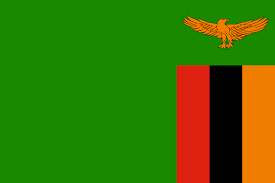
Zambia is renowned for its copper deposits, making it one of the world’s top copper producers. The mining sector accounts for a significant portion of the country’s GDP and exports. Opportunities in Zambia span various roles, including geologists, engineers, and administrative staff. The government has been working to improve the investment climate and attract more foreign investors, further boosting job prospects.
Ghana
Ghana is rich in gold and diamond deposits, positioning it as a major player in the mining industry. The country has made strides in developing its mining sector, attracting both domestic and international investments. Ghana offers a mix of mining jobs, from exploration and extraction to processing and sales. The government’s focus on sustainable development and community engagement makes it an attractive destination for mining professionals.
Nigeria
Nigeria is one of Africa’s largest oil-producing countries, with significant reserves of natural gas and other minerals. While the oil sector dominates, there are growing opportunities in non-oil mining. Roles in exploration, drilling, and refining are available, along with positions in emerging areas like lithium mining. Nigeria’s large population and expanding economy provide a dynamic backdrop for mining careers.
Eswatini
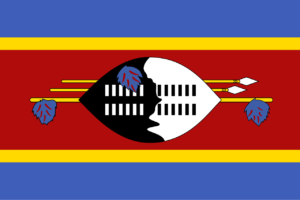
Eswatini, formerly known as Swaziland, is a small kingdom with a strong mining sector. The country is particularly known for its coal reserves, which fuel power generation and industrial processes. Eswatini offers opportunities in coal mining, as well as related fields such as engineering and logistics. The government’s efforts to diversify the economy and promote sustainable mining practices make it an interesting destination for mining professionals.
For more detailed insights into job opportunities in Eswatini, visit Eswatini Job Search.
Challenges in the African Mining Sector
While the mining sector presents numerous opportunities, it also comes with challenges. Some of the key issues include:
- Environmental Concerns: Mining activities can have significant environmental impacts, including deforestation, water pollution, and soil degradation. Companies must adhere to strict environmental regulations and implement sustainable practices.
- Safety Issues: Mining operations involve inherent risks, such as accidents and health hazards. Ensuring worker safety is paramount, requiring adherence to safety protocols and regular training.
- Regulatory Frameworks: Regulatory environments vary widely across African countries, affecting investment decisions and operational flexibility. Staying informed about local laws and regulations is essential.
How to Secure a Mining Job in Africa
If you’re looking to pursue a career in mining in Africa, here are some practical steps to consider:
- Gain Relevant Education and Experience: Pursue degrees in mining engineering, geology, or related fields. Gain practical experience through internships or entry-level positions.
- Develop Transferable Skills: In addition to technical skills, develop soft skills such as communication, problem-solving, and teamwork. These are highly valued in the mining industry.
- Stay Updated on Industry Trends: Follow industry news, attend conferences, and network with professionals to stay informed about the latest developments and opportunities.
- Explore Local Job Markets: Research specific countries and regions within Africa to identify job openings and understand local conditions. Tailor your applications to meet the needs of employers in these markets.
Frequently Asked Questions (FAQ)
What are the most in-demand mining jobs in Africa?
The most in-demand mining jobs in Africa include mining engineers, geologists, environmental specialists, safety officers, and project managers. Demand varies by country and resource type.
Do I need a visa to work in African countries for mining jobs?
Visa requirements vary by country and job type. It’s important to check with the relevant embassy or consulate for specific information and application procedures.
What are the salary expectations for mining jobs in Africa?
Salary expectations depend on factors such as job role, experience level, and location. Salaries can be competitive, especially for specialized positions in major mining hubs.
Are there opportunities for career advancement in African mining?
Yes, there are ample opportunities for career advancement in African mining. Many companies offer training programs and career development initiatives to help employees progress in their careers.
Conclusion
The African mining sector offers exciting opportunities for those seeking careers in this dynamic industry. From South Africa’s gold mines to Zambia’s copper deposits, there are diverse roles available across the continent. By gaining relevant education and experience, developing transferable skills, and staying informed about industry trends, you can position yourself for success in African mining.
To explore more job opportunities in Africa, visit Africa Job Search.