
As the global economy continues to evolve, many job seekers are looking beyond their home countries for new opportunities. West Africa, with its growing economies and diverse industries, presents a promising landscape for career advancement. In this article, we explore which West African country stands out as the best destination for job seekers in 2026, focusing on economic growth, employment prospects, and overall quality of life. For more insights into job opportunities across Africa, visit AfricaJobSearch.com.
Economic Stability and Growth
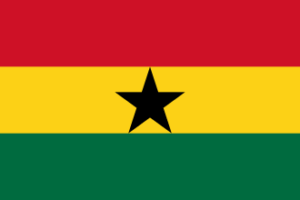
The foundation of a thriving job market is a stable and growing economy. Among West African nations, Ghana and Senegal have been consistently praised for their economic resilience and growth. Ghana, in particular, has seen significant improvements in its GDP, with a steady increase over the past decade. According to the World Bank, Ghana’s GDP grew by 7.9% in 2021, making it one of the fastest-growing economies in sub-Saharan Africa.
Ghana’s Economic Performance
Ghana’s economy is driven by agriculture, mining, manufacturing, and services. The country’s gold and cocoa exports contribute significantly to its foreign exchange earnings. Moreover, Ghana’s government has implemented policies aimed at diversifying the economy and attracting foreign investment. These efforts have created numerous job opportunities across various sectors.
Senegal’s Economic Resilience
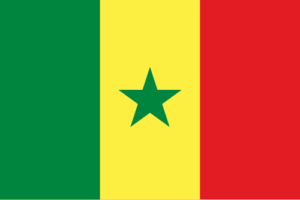
Senegal, known for its political stability and strong democratic institutions, has also shown remarkable economic growth. The country’s GDP grew by 5.4% in 2021, reflecting its robust agricultural sector and expanding service industry. Senegal’s focus on education and technology has led to a skilled workforce, making it an attractive destination for businesses seeking to establish operations in West Africa.
Employment Prospects
The availability of job opportunities is a critical factor for job seekers. Both Ghana and Senegal offer diverse employment prospects, but Ghana seems to have a slight edge due to its broader industrial base and higher population.
Ghana’s Job Market
Ghana’s job market is characterized by a mix of formal and informal sectors. The formal sector includes opportunities in government, finance, telecommunications, and manufacturing. The informal sector, which encompasses small businesses and street vendors, provides employment for a significant portion of the workforce. Ghana’s youth population, estimated at around 60%, presents both a challenge and an opportunity for employers looking to tap into a young, energetic workforce.
Senegal’s Employment Landscape
Senegal’s job market is primarily concentrated in agriculture, tourism, and services. The country’s vibrant tourism industry, fueled by its rich cultural heritage and natural beauty, offers numerous job opportunities in hospitality and related fields. Additionally, Senegal’s growing tech ecosystem, centered around the capital Dakar, is creating jobs in software development, digital marketing, and e-commerce.
Quality of Life
A high standard of living is essential for job satisfaction and overall well-being. Both Ghana and Senegal offer unique qualities that enhance the quality of life for residents and newcomers alike.
Ghana’s Lifestyle Benefits
Ghana’s warm climate, beautiful beaches, and rich cultural heritage make it an attractive destination for those seeking a high quality of life. The country’s capital, Accra, offers a blend of modern amenities and traditional charm, while smaller towns provide a more relaxed pace of life. Ghana’s healthcare system, though still developing, has made strides in improving access to medical services.
Senegal’s Cultural Riches
Senegal’s cultural richness is one of its greatest assets. The country’s music scene, particularly in genres like mbalax and hip-hop, has gained international recognition. Dakar, known as the “Paris of Africa,” boasts a vibrant arts scene, excellent restaurants, and a lively nightlife. Senegal’s commitment to education and social welfare programs contributes to a high quality of life for its citizens.
Education and Skills Development
The availability of quality education and training programs is crucial for career growth and job readiness. Both Ghana and Senegal have invested in their education systems, but Ghana’s emphasis on vocational training sets it apart.
Ghana’s Educational System
Ghana’s educational system includes primary, secondary, and tertiary levels. The country has several universities and technical colleges that offer a range of degree programs. Ghana’s vocational training centers play a vital role in preparing students for the workforce, offering courses in areas such as carpentry, electrical work, and hospitality.
Senegal’s Focus on Education
Senegal places a strong emphasis on education, with a literacy rate of approximately 58%. The country has made significant progress in increasing school enrollment rates, particularly among girls. Senegal’s universities, such as Cheikh Anta Diop University, are recognized for their academic excellence and research capabilities.
Infrastructure and Connectivity
Modern infrastructure and reliable connectivity are essential for business operations and daily life. Ghana and Senegal have made progress in improving their infrastructure, but Ghana’s investments in transportation and technology stand out.
Ghana’s Infrastructure Developments
Ghana has undertaken several infrastructure projects to enhance its transportation network. The expansion of the Tema Motorway and the construction of the Kpone-Nkrumah Interchange have improved road connectivity. Ghana’s ports, including the Tema Port, are key hubs for trade and logistics, facilitating international commerce.
Senegal’s Connectivity Initiatives
Senegal has made significant investments in its telecommunications infrastructure, with mobile penetration rates exceeding 80%. The country’s digital initiatives, such as the Digital Senegal program, aim to promote e-commerce, digital payments, and smart city development. Senegal’s international airport, located in Dakar, serves as a gateway to West Africa and beyond.
Frequently Asked Questions
Which country in West Africa has the highest unemployment rate?
While unemployment remains a challenge in many West African countries, Ghana and Senegal have relatively low unemployment rates compared to regional averages. According to the International Labour Organization, Ghana’s unemployment rate was 10.4% in 2021, while Senegal’s was 11.6%.
What are the visa requirements for working in Ghana and Senegal?
Visa requirements vary depending on your nationality and the purpose of your visit. Generally, most nationals can obtain a tourist visa upon arrival in Ghana and Senegal. However, if you plan to work in either country, you will need to apply for a work permit before arriving. It is advisable to check the specific requirements with the respective embassies or consulates.
How safe are Ghana and Senegal for expatriates?
Both Ghana and Senegal are considered safe destinations for expatriates. Ghana has a low crime rate, particularly in urban areas, and is known for its friendly and welcoming locals. Senegal is also safe, with a strong emphasis on community values and hospitality. However, as with any travel destination, it is important to exercise caution and stay informed about local safety guidelines.
Conclusion
When considering the best West African country for job seekers in 2026, Ghana emerges as the frontrunner due to its strong economic performance, diverse job market, and high quality of life. While Senegal offers its own set of advantages, Ghana’s comprehensive approach to economic development, coupled with its robust infrastructure and skilled workforce, positions it as a leading destination for career opportunities. Whether you’re a seasoned professional or just starting your career, exploring job opportunities in Ghana could be the first step towards a rewarding future. For more information on job openings and relocation tips, visit GambiaJobSearch.com.