
Are you considering a career in finance and banking but want to explore opportunities beyond traditional markets? Look no further than Africa, a continent rich in economic potential and diverse financial sectors. According to the World Bank, Africa’s GDP is projected to grow by 3.7% in 2023, driven by strong performances in several key economies. This growth presents a fertile ground for professionals seeking to build their careers in finance and banking.
Why Choose Africa for Finance and Banking?
Africa’s finance and banking sector is rapidly evolving, offering a mix of traditional banking services and innovative fintech solutions. The continent is home to some of the world’s fastest-growing economies, providing ample opportunities for career advancement. Here are a few reasons why Africa stands out:
- Economic Diversification: African countries are diversifying their economies, reducing reliance on natural resources and boosting financial services.
- Technological Advancements: The rise of fintech companies is transforming the banking landscape, creating new roles and opportunities.
- Government Initiatives: Many governments are implementing policies to attract foreign investment and develop local financial markets.
Top African Countries for Finance and Banking Jobs
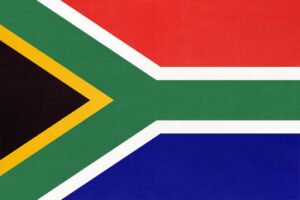
South Africa
South Africa is often referred to as the “gateway to Africa” due to its well-developed financial sector and strategic location. The country has a robust banking system, with major international banks operating alongside local institutions. Key cities like Johannesburg and Cape Town offer a wide range of opportunities in corporate banking, investment management, and risk management.
According to the South African Reserve Bank, the country’s banking sector employs over 150,000 people, making it a significant contributor to the economy. Prospective candidates should have strong analytical skills, proficiency in financial modeling, and experience in relevant areas such as asset management or investment banking.
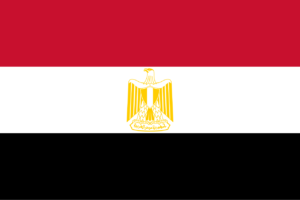
Egypt
Egypt’s financial sector is one of the largest in North Africa, with a focus on banking, insurance, and capital markets. Cairo, the capital city, serves as a regional financial hub, attracting both domestic and international investors. The country’s stock exchange, the Egyptian Exchange, is the second-largest in the Middle East and North Africa region.
The Egyptian government has launched initiatives to modernize the financial sector and attract more foreign investment. Professionals with expertise in Islamic finance, asset management, and risk assessment are particularly sought after. With a growing population and increasing economic activity, Egypt offers promising career prospects in finance and banking.
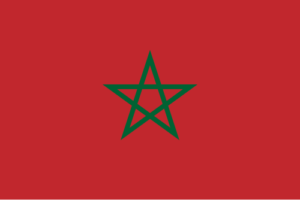
Morocco
Morocco’s finance and banking sector is experiencing steady growth, driven by government reforms and increased foreign investment. The country’s banking system is relatively stable, with a mix of local and international banks operating in major cities like Casablanca and Rabat.
Casablanca, known as the “Paris of Africa,” is a major financial center in North Africa, offering opportunities in corporate banking, investment management, and financial advisory services. Candidates with experience in fintech, digital banking, and risk management are highly valued in Morocco’s dynamic financial sector.
Skills and Qualifications Needed
To succeed in Africa’s finance and banking sector, professionals should possess a combination of technical skills, industry knowledge, and cultural adaptability. Here are some essential qualifications:
- Education: A degree in finance, economics, accounting, or a related field is typically required. Advanced degrees such as an MBA can provide a competitive edge.
- Technical Skills: Proficiency in financial modeling, data analysis, and financial software is crucial. Knowledge of fintech tools and platforms is increasingly valuable.
- Industry Experience: Relevant work experience in banking, finance, or a related field is highly desirable. Internships and entry-level positions can help build a strong foundation.
- Cultural Competence: Understanding and respecting local customs, business practices, and regulatory environments is essential for success in cross-cultural settings.
Exploring Job Opportunities
When searching for finance and banking jobs in Africa, it’s important to leverage available resources and networks. Here are some practical tips:
- Networking: Attend industry conferences, seminars, and networking events to connect with professionals in the field. Join relevant associations and organizations to stay informed about job openings and industry trends.
- Online Platforms: Utilize online job boards and professional networking sites to find opportunities. Websites like AfricaJobSearch offer a wide range of job listings across various industries and locations.
- Recruitment Agencies: Consider working with recruitment agencies that specialize in placing professionals in finance and banking roles. These agencies often have access to exclusive job openings and can provide valuable guidance throughout the application process.
Frequently Asked Questions
What are the most in-demand skills in Africa’s finance and banking sector?
The most in-demand skills include financial modeling, data analysis, fintech expertise, and cultural competence. Professionals with these skills are highly sought after by employers in Africa.
How can I prepare for a career in finance and banking in Africa?
To prepare for a career in finance and banking in Africa, obtain a relevant degree, gain industry experience, develop technical skills, and demonstrate cultural adaptability. Networking and staying informed about industry trends are also essential.
Which African countries offer the best career prospects in finance and banking?
South Africa, Egypt, and Morocco are among the top African countries offering the best career prospects in finance and banking. These countries have robust financial sectors, diverse job opportunities, and favorable economic conditions.
Conclusion
Exploring career opportunities in Africa’s finance and banking sector can be a rewarding and enriching experience. By leveraging your skills and qualifications, building a strong network, and staying informed about industry trends, you can position yourself for success in this dynamic and growing field. For more information on job opportunities and career development, visit AfricaJobSearch.