
Exploring job opportunities in East Africa can be an exciting endeavor, especially for professionals looking to expand their horizons. Two countries that often come up in discussions about career prospects in this region are Uganda and Zimbabwe. Both nations offer unique opportunities and challenges. In this article, we will compare the job markets in Uganda and Zimbabwe, focusing on key factors such as salaries, industries, and career growth to help you decide which country might be the better fit for your professional aspirations.
Economic Overview and Job Market Trends
The economic landscapes of Uganda and Zimbabwe have distinct characteristics that influence their respective job markets. Understanding these differences is crucial for professionals considering a move to either country.
Economic Growth and Stability
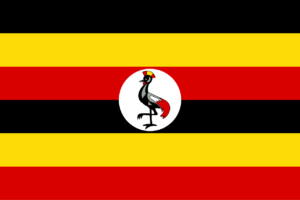
Uganda: Known for its steady economic growth, Uganda has been one of the fastest-growing economies in Sub-Saharan Africa over the past decade. The country’s GDP has expanded at an average annual rate of 5.6% between 2010 and 2020, according to the World Bank. This growth is driven by various sectors, including agriculture, manufacturing, and services. Uganda’s political stability and favorable business environment contribute to its attractive job market.
Zimbabwe: In contrast, Zimbabwe has faced significant economic challenges, including hyperinflation and political instability. However, there have been efforts to stabilize the economy, and some sectors, such as mining and agriculture, still offer employment opportunities. The country’s economic recovery is gradual, but it presents potential for professionals willing to navigate the current uncertainties.
Salaries and Cost of Living
Understanding salary expectations and the cost of living is essential for professionals evaluating job opportunities in Uganda and Zimbabwe.
Average Salaries
Uganda: Salaries in Uganda vary widely depending on the industry and level of experience. According to recent reports, the average monthly salary for professionals ranges from $400 to $1,500 USD. Higher-paying positions in sectors like finance, IT, and healthcare can command salaries above $2,000 USD.
Zimbabwe: Salaries in Zimbabwe are generally lower than those in Uganda due to the country’s economic challenges. The average monthly salary for professionals ranges from $100 to $500 USD. However, the cost of living is also significantly lower, which can offset some of the salary differences.
Cost of Living
Uganda: The cost of living in Uganda is relatively moderate. Rent, utilities, and basic necessities are affordable, making it possible for professionals to maintain a comfortable lifestyle on average salaries.
Zimbabwe: While the cost of living in Zimbabwe is lower than in Uganda, it can still be challenging due to inflation and currency exchange issues. Essential goods and services may be more expensive than their nominal prices suggest, affecting overall affordability.
Popular Industries and Career Opportunities
Both Uganda and Zimbabwe have diverse industries offering career opportunities for professionals. Here’s a closer look at some of the most promising sectors in each country.
Uganda
- Finance and Banking: Uganda’s financial sector is growing rapidly, with opportunities for professionals in banking, insurance, and investment management.
- Information Technology: The IT sector in Uganda is expanding, driven by increased digital adoption and government initiatives. Roles in software development, cybersecurity, and data analysis are in demand.
- Healthcare: With a growing population and improving healthcare infrastructure, the healthcare sector offers numerous opportunities for doctors, nurses, and other medical professionals.
- Tourism: Uganda’s rich cultural heritage and natural attractions make it a popular tourist destination. Careers in hospitality, tour guiding, and event management are available.
Zimbabwe
- Mining: Zimbabwe is known for its mineral resources, particularly diamonds, gold, and platinum. The mining sector provides opportunities for engineers, geologists, and other technical professionals.
- Agriculture: Agriculture remains a significant sector in Zimbabwe, with opportunities for agronomists, agricultural economists, and food processing experts.
- Education: The education sector in Zimbabwe offers roles for teachers, administrators, and curriculum developers, especially in areas where there is a shortage of qualified professionals.
- Public Sector: Government jobs are prevalent in Zimbabwe, providing opportunities for professionals in administration, law enforcement, and public health.
Career Growth and Development
Career growth and development opportunities are important considerations for professionals seeking long-term career satisfaction. Let’s examine how each country supports professional development.
Uganda
Training and Education: Uganda has several universities and vocational training institutions that offer programs relevant to various industries. Professionals can pursue further education to enhance their skills and advance their careers.
Networking Opportunities: Networking events, professional associations, and industry conferences provide opportunities for professionals to connect with peers and mentors, fostering career growth.
Zimbabwe
Professional Associations: Professional bodies in Zimbabwe offer membership benefits, including networking opportunities, continuing education, and advocacy for members’ interests.
Government Initiatives: The Zimbabwean government has implemented programs aimed at skill development and entrepreneurship, providing resources for professionals to grow their careers.
Frequently Asked Questions
Which country has a stronger job market for professionals?
The strength of the job market varies depending on individual preferences and expertise. Uganda’s steady economic growth and diverse industries make it an attractive option for many professionals. However, Zimbabwe’s opportunities in mining and agriculture can be appealing to those with specific skills.
What are the main challenges of working in Uganda and Zimbabwe?
Both countries face challenges, including political instability in Zimbabwe and economic uncertainties in both nations. Additionally, professionals may encounter difficulties with infrastructure, transportation, and access to resources.
How can I prepare for a job search in Uganda or Zimbabwe?
To prepare for a job search in either country, research the local job market, gain relevant skills and experience, and network with professionals in your field. Familiarize yourself with the cultural norms and business practices in the country you plan to work in.
Conclusion
Choosing between Uganda and Zimbabwe for job opportunities requires careful consideration of personal goals, skills, and preferences. Uganda’s economic growth and diverse industries offer exciting prospects, while Zimbabwe’s opportunities in mining and agriculture present unique challenges and rewards. Whether you’re drawn to Uganda’s stability or Zimbabwe’s resource-rich landscape, both countries provide valuable career opportunities for professionals. For more information on job openings and career guidance, visit AfricaJobSearch.com.
As you embark on your job search journey, remember to stay informed about the latest developments in both countries and tailor your approach to maximize your chances of success. Explore the resources available on MozambiqueJobSearch.com for additional insights into the broader East African job market.