
As the world becomes increasingly interconnected, the concept of working remotely has gained significant traction. For professionals looking to explore international career opportunities, Africa presents a diverse array of possibilities. From tech hubs to bustling business centers, several African countries have emerged as favorable destinations for remote work. In this article, we delve into the best African countries for remote jobs and international careers, exploring the benefits, challenges, and strategies to secure opportunities in these vibrant markets.
The Rise of Remote Work in Africa
The shift towards remote work has been accelerated by technological advancements and changing work cultures. According to a report by McKinsey, the pandemic has expedited the adoption of remote work by five years globally. In Africa, this trend is particularly promising due to the continent’s rapid digital transformation and growing tech ecosystem.
Several factors contribute to the rise of remote work in Africa:
- Young and Tech-Savvy Population: Africa has one of the youngest populations in the world, with over 60% under the age of 25. This demographic is highly adaptable to new technologies and digital platforms.
- Increasing Internet Penetration: Internet usage in Africa has grown exponentially, with over 400 million internet users as of 2021. This growth is driven by improved infrastructure and affordable mobile data plans.
- Government Support: Many African governments are investing in digital infrastructure and promoting entrepreneurship, creating a conducive environment for remote work.
Top African Countries for Remote Jobs
1. South Africa
South Africa is often considered the economic powerhouse of Africa. Its well-developed infrastructure, skilled workforce, and strong financial sector make it an attractive destination for remote jobs. Cities like Cape Town and Johannesburg are home to numerous tech startups and international companies with remote operations.
Key Industries: Finance, technology, healthcare, and education.
Benefits: High standard of living, excellent healthcare system, and cultural diversity.
2. Kenya
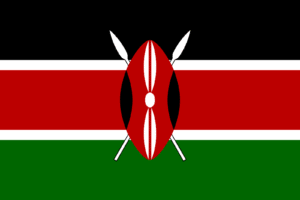
Kenya has established itself as a leading tech hub in East Africa, earning the nickname “Silicon Savannah.” The country boasts a thriving startup ecosystem, with Nairobi being a focal point for innovation and remote work opportunities.
Key Industries: Technology, fintech, e-commerce, and media.
Benefits: Affordable cost of living, diverse talent pool, and supportive government policies.
3. Nigeria
Nigeria is the most populous country in Africa and has a rapidly growing tech industry. Lagos, in particular, has become a hub for remote work, attracting professionals from various sectors.
Key Industries: Technology, finance, marketing, and creative services.
Benefits: Large market size, diverse industries, and emerging tech scene.
4. Uganda
Uganda is another emerging tech hub in East Africa, with Kampala being a key player in the region’s startup ecosystem. The city offers a mix of affordable living costs and a growing number of remote job opportunities.
Key Industries: Technology, education, and healthcare.
Benefits: Strong educational institutions, supportive community, and affordable cost of living.
For more job opportunities in Uganda, visit Uganda Jobs Search.
5. Egypt
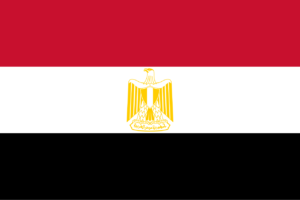
Egypt is a gateway between Africa and the Middle East, offering a unique blend of culture, history, and modern business opportunities. Cairo and Alexandria are key cities for remote work, particularly in the tech and finance sectors.
Key Industries: Technology, finance, tourism, and hospitality.
Benefits: Rich cultural heritage, strategic location, and strong business networks.
Challenges and Considerations
While the prospects for remote work in Africa are promising, there are several challenges that professionals should consider:
- Internet Connectivity: Although internet penetration is increasing, connectivity issues can still pose challenges in rural areas.
- Time Zone Differences: Working remotely from Africa may require adjusting to time zone differences, especially for those collaborating with teams in Europe or North America.
- Cultural Adaptation: Understanding local customs and business etiquette is crucial for success in any international setting.
Strategies for Securing Remote Jobs in Africa
To increase your chances of securing remote jobs in Africa, consider the following strategies:
- Build a Strong Online Presence: Develop a professional online portfolio, including a well-crafted resume, LinkedIn profile, and personal website showcasing your skills and experience.
- Network: Connect with professionals in the African tech and business communities through social media, networking events, and online forums.
- Learn Local Languages: While English is widely spoken in many African countries, learning basic phrases in the local language can demonstrate your commitment and cultural sensitivity.
- Stay Informed: Keep up-to-date with industry trends, news, and developments in the African markets you are interested in.
Frequently Asked Questions (FAQ)
Q: What are the main benefits of working remotely in Africa?
A: Working remotely in Africa offers several benefits, including a diverse and dynamic work environment, competitive salaries, and the opportunity to live and work in culturally rich settings. Additionally, the cost of living in many African cities is relatively low compared to Western countries.
Q: Are there specific industries that are more prevalent in remote work in Africa?
A: Yes, certain industries are more prominent in remote work in Africa. These include technology, finance, healthcare, education, and creative services. Each country has its strengths, so it’s important to research the specific industries thriving in the regions you are interested in.
Q: How can I prepare myself for remote work in Africa?
A: To prepare for remote work in Africa, focus on building your technical skills, developing a strong online presence, and networking within the African tech and business communities. It’s also beneficial to learn about the local culture and business practices to ensure a smooth transition.
Conclusion
Exploring remote work opportunities in Africa can be a rewarding and enriching experience. By understanding the benefits, challenges, and strategies for success, you can position yourself to thrive in this exciting and rapidly evolving market. Whether you’re looking to start a new chapter in your career or simply expand your professional network, Africa offers a wealth of opportunities waiting to be discovered.
For more insights and resources on job opportunities across Africa, visit Africa Job Search.