
Embarking on a career in non-governmental organizations (NGOs) and development work offers a unique chance to contribute to positive change globally. Africa, with its diverse landscapes, rich cultures, and pressing developmental needs, presents numerous opportunities for those passionate about making a difference. Whether you’re a recent graduate, a seasoned professional, or someone looking to pivot your career, exploring the best African countries for NGO jobs and development careers can be a fulfilling endeavor. Let’s delve into some of the top destinations, understand the landscape, and uncover practical tips for success.
Understanding the NGO Sector in Africa
The NGO sector in Africa is vast and varied, encompassing a wide range of organizations working on issues such as poverty reduction, healthcare, education, environmental conservation, and more. According to the Uganda Jobs Search, the demand for skilled professionals in this sector is growing, driven by both local and international funding.
NGOs in Africa often operate in challenging environments, requiring resilience, adaptability, and a deep commitment to their mission. However, they also offer unparalleled opportunities for personal growth, cross-cultural experiences, and meaningful contributions to society.
Top African Countries for NGO Jobs and Development Careers
Kenya
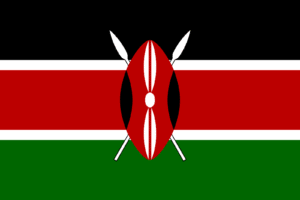
Kenya is a hub for international NGOs due to its stable political environment, strong infrastructure, and strategic location in East Africa. Cities like Nairobi host numerous organizations working on various development projects. Kenya’s economy is diverse, with sectors ranging from agriculture to technology, providing a broad scope for NGO activities.
Key areas of focus include education, health, and environmental conservation. For instance, organizations like Oxfam and Save the Children have significant operations in Kenya, offering roles across different levels and disciplines.
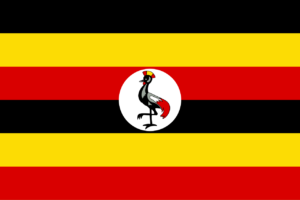
Uganda
Uganda is another prominent destination for NGO jobs, particularly in the fields of healthcare and education. The country has made significant strides in reducing poverty and improving living standards, but ongoing challenges remain. The government’s support for international development efforts makes Uganda an attractive location for NGOs.
Opportunities abound in urban centers like Kampala and Entebbe, where NGOs address issues such as HIV/AIDS, malaria, and maternal health. The Uganda Jobs Search platform frequently lists positions in these sectors, reflecting the high demand for skilled professionals.
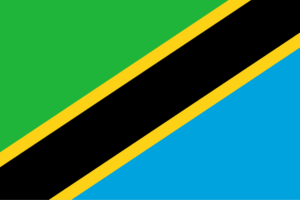
Tanzania
Tanzania offers a mix of urban and rural settings, providing a unique backdrop for NGO work. The country’s natural beauty and cultural diversity make it an ideal location for organizations focused on conservation and community development.
Major cities like Dar es Salaalam and Dodoma host numerous NGOs, while rural areas present opportunities for grassroots initiatives. Tanzania’s commitment to sustainable development creates a supportive environment for organizations working on environmental protection, education, and health.
Ethiopia
Ethiopia is one of the fastest-growing economies in Africa, with a strong emphasis on development. The country faces significant challenges, including poverty, food insecurity, and climate change, which drive demand for NGO involvement.
Cities like Addis Ababa and Mekelle are home to many international organizations, addressing issues such as education, healthcare, and disaster relief. Ethiopia’s strategic position in the Horn of Africa also makes it a gateway for regional development initiatives.
Morocco
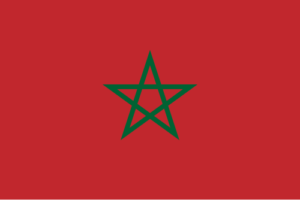
Morocco stands out for its blend of traditional culture and modern development. The country’s commitment to social and economic progress creates opportunities for NGOs working on education, healthcare, and women’s empowerment.
Cities like Casablanca and Rabat attract international organizations, while rural areas offer chances for community-based projects. Morocco’s proximity to Europe also makes it a hub for cross-border development initiatives.
Challenges and Opportunities in the NGO Sector
While the NGO sector in Africa offers exciting opportunities, it also presents unique challenges. These include:
- Cultural Adaptation: Understanding and respecting local customs and traditions is crucial for effective NGO work.
- Resource Constraints: Many NGOs operate with limited resources, requiring creativity and efficiency in project management.
- Political Instability: Some regions may experience political unrest, affecting NGO operations and safety.
- Language Barriers: Effective communication often requires proficiency in local languages.
Despite these challenges, the rewards of working in the NGO sector are immense. You’ll have the opportunity to make a tangible impact on people’s lives, gain valuable skills, and build a network of like-minded professionals.
Practical Tips for Success in NGO Jobs and Development Careers
Develop Relevant Skills
To excel in NGO jobs and development careers, it’s essential to develop a skill set that aligns with organizational needs. Key skills include:
- Project Management: Ability to plan, execute, and monitor projects effectively.
- Communication: Strong written and verbal communication skills, especially in local languages.
- Cultural Sensitivity: Understanding and respect for different cultures and communities.
- Adaptability: Flexibility to work in diverse and sometimes unpredictable environments.
Gain Experience
Building experience in the NGO sector can significantly enhance your employability. Consider volunteering, interning, or taking on part-time roles with organizations. This hands-on experience will provide valuable insights and help you stand out to potential employers.
Network
Networking is crucial in the NGO sector. Attend industry conferences, join professional associations, and connect with colleagues through social media platforms. Building a strong network can lead to job opportunities and mentorship opportunities.
Stay Informed
The development sector is constantly evolving, with new trends and best practices emerging regularly. Stay informed by reading industry publications, following thought leaders on social media, and participating in webinars and workshops.
Frequently Asked Questions (FAQ)
What qualifications are required for NGO jobs?
Qualifications vary depending on the role and organization. However, most NGO jobs require a degree in fields such as international development, public health, education, or a related discipline. Relevant experience and skills are also highly valued.
How can I find NGO jobs in Africa?
You can find NGO jobs in Africa through various channels, including job boards, professional networks, and organization websites. Local job portals like Uganda Jobs Search and international platforms can be useful resources.
Is it safe to work in NGOs in Africa?
Working in NGOs in Africa can be safe, but it’s important to research the specific region and organization you’re interested in. Most reputable NGOs prioritize staff safety and provide training and support to mitigate risks.
What are the benefits of working in the NGO sector?
The benefits of working in the NGO sector include the opportunity to make a positive impact, gain valuable skills, and build a rewarding career. Additionally, many NGOs offer competitive salaries, benefits, and opportunities for professional growth.
Conclusion
Exploring the best African countries for NGO jobs and development careers can open up a world of rewarding opportunities. Whether you’re drawn to the vibrant cities of Kenya, the natural beauty of Tanzania, or the cultural richness of Morocco, there are countless ways to make a difference. By developing relevant skills, gaining experience, networking, and staying informed, you can position yourself for success in this dynamic and fulfilling field.
Ready to take the next step? Visit Africa Job Search to discover more about job opportunities in the NGO sector across Africa.